
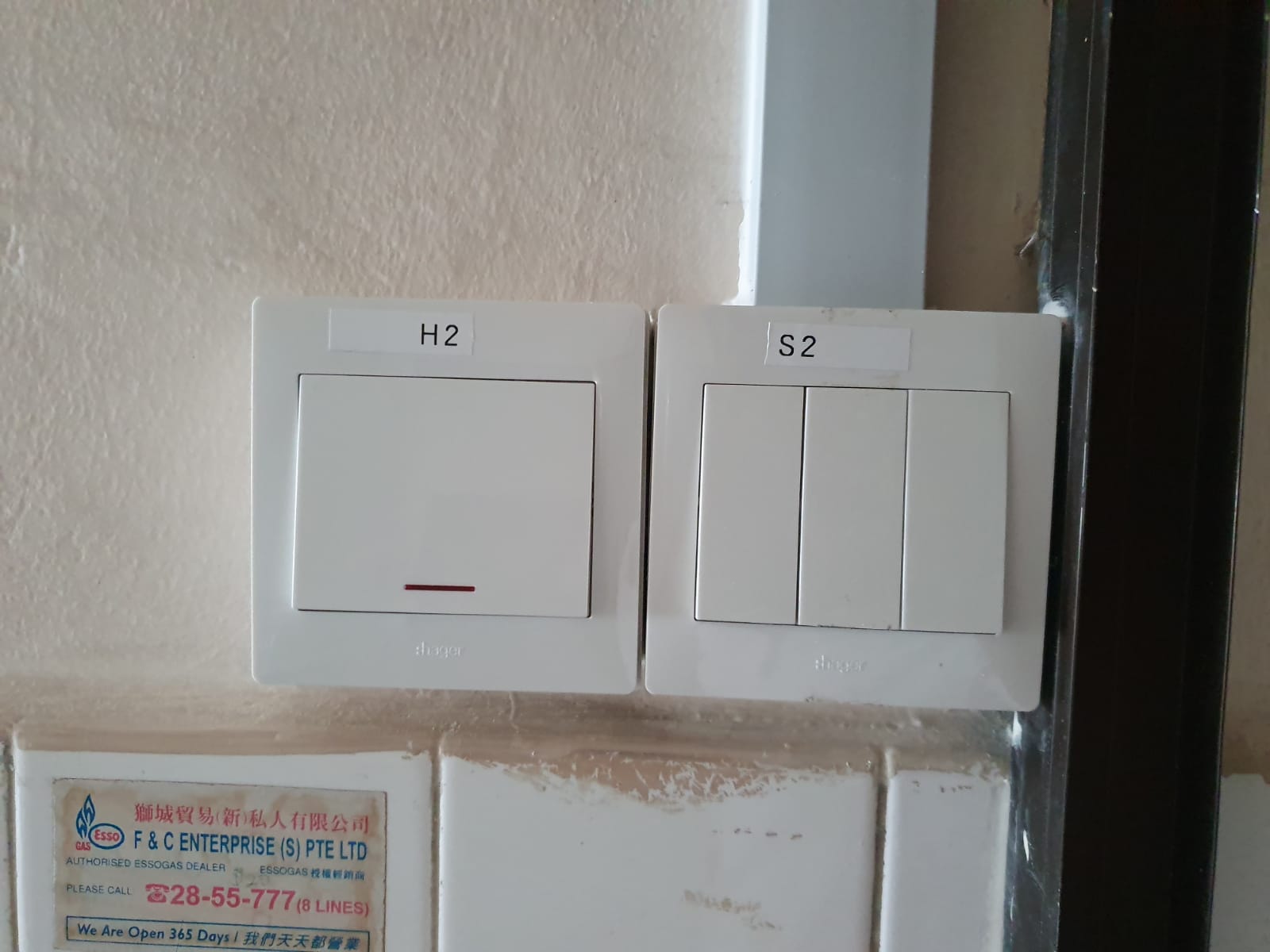
Light switches, along with other electrical switches, are pivotal components of electrical systems in both home and office renovations. Therefore, it’s crucial to invest time in selecting the most suitable light switch for your rooms. For light switch installation, repair, and replacement, it’s imperative to hire a trusted and reliable electrician in Singapore to mitigate potential hazards. If you lack experience, it’s safer to refrain from attempting to replace light switches on your own.
1. How Different Types of Light Switch Work
A light switch is an essential component used to switch on any light installation. There are different kinds of light switches out there to cater everyone’s preferences. We have ones that merely function to be switched on or off, while we have more sophisticated ones that can control the brightness of light fixtures. Let us guide you through how specific types of light switches work:
- On/Off Light Switch
An on/off light switch, also known as a single location switch, is a switch designed to control lights from a specific location, allowing you to turn them on or off. It’s alternatively referred to as “single throw” or “single pole” for technical precision. The term “single pole” signifies that only one hot wire should be connected to it, while “single throw” implies that it connects to just one wire when switched on. Many homeowners prefer this type of light switch, particularly when replacing a fan light switch, due to its simplicity in control.
Inside this light switch, there’s a spring-loaded gate that closes upon switching it on. This action completes the circuit, allowing power to flow from the switch to the light. Conversely, when switched off, the gate opens, interrupting the flow of current to the light fixture.
- 3-Way Light Switch
The 3-way light switch is classified as a single pole, double throw switch, where only one hot wire is connected. It features two additional wires connected to it. The term “double throw” indicates that when switched on, this switch alternates the connection of the hot wire between the two other wires known as “travelers.”
These travelers are linked to another 3-way switch, which is connected to the wire carrying power to the light fixture.
Internally, a 3-way light switch typically resembles a ‘V’ shape, with the pointed intersection serving as the terminal where the hot wire from the circuit breaker is attached. This point is referred to as the “common” or “common terminal,” distinguished by its dark screw. The two traveler wires are then connected to the two open points of the ‘V,’ known as “traveler terminals,” typically featuring bright brass screws.
- 4-Way Light Switch
A 4-way light switch is indeed a double pole, double throw switch. The term “double pole” signifies that the switch is connected to two hot wires. These two hot wires correspond to the two traveler wires found in the 3-way light switch, which are connected to power from the electrical panel. Additionally, it includes the same two wires from the 3-way light switch that carry power to the light fixture.
The “double throw” aspect means that when the 4-way switch is toggled, connections are altered between two pairs of traveler wires.
One of the two traveler wires from the 3-way light switch will eventually carry power. If the 4-way light switch is correctly configured so that the wire is connected only to the traveler in the second 3-way switch, the light will be turned off.
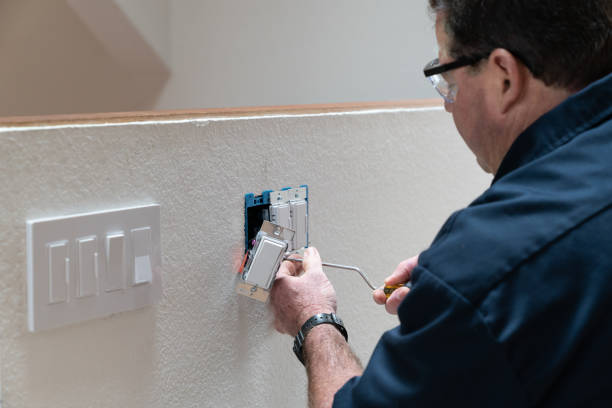
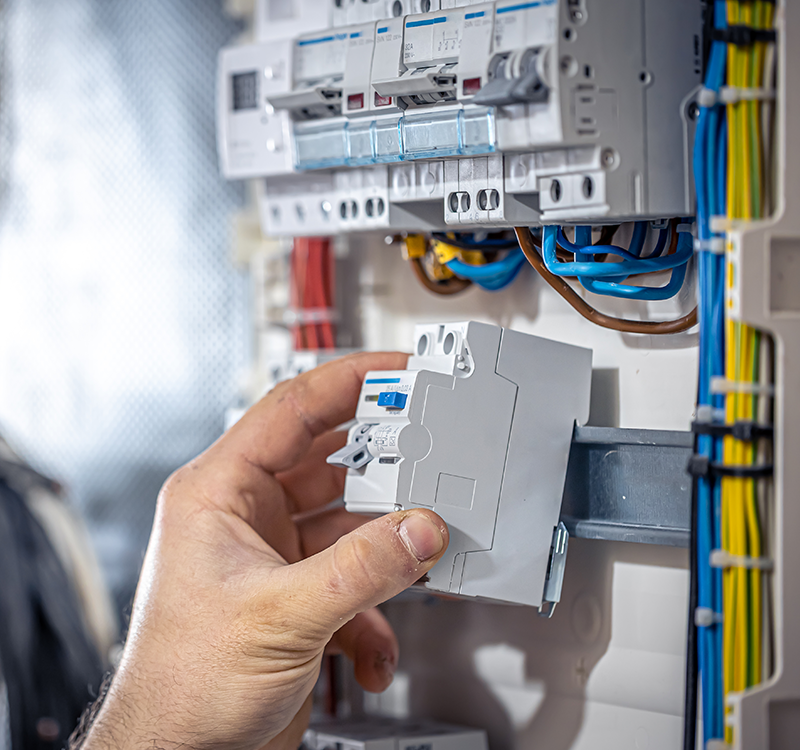
2. Signs That You Need to Get Your Light Switch Repaired or Replaced
- Light Fixture Doesn’t Turn On Immediately
You might have encountered situations where there’s a delay in a light fixture turning on after flipping the light switch. This often suggests that the metal components inside the switch have undergone excessive wear and tear, resulting in compromised electrical connections. Consequently, the electrical wiring may struggle to transmit electricity around the circuit to complete the electrical path as efficiently as before. In such cases, replacing the light switch is usually necessary.
- Light Switch Produces a Large Spark
Ordinary sparks observed on light switches generally arise from a “load arc,” a common occurrence during electrical jumps, and typically pose no immediate threat. However, if you notice a substantial spark or one accompanied by noise, it indicates a faulty light switch. In such instances, it’s essential to contact a licensed electrician promptly, as this warrants immediate repair and replacement to ensure safety.
- Noisy Light Switches
Worn-out light switches or those with loose electrical wiring can often generate buzzing noises. This usually indicates the need for light switch repair or replacement. However, if the buzzing originates from a dimmer switch, it’s worth checking if the sound is caused by the light bulb. Dimmer switches can produce buzzing sounds due to the dimming effect they create on the bulb.
Get instant quote and appointment fast
Fix your electrical problems immediately.